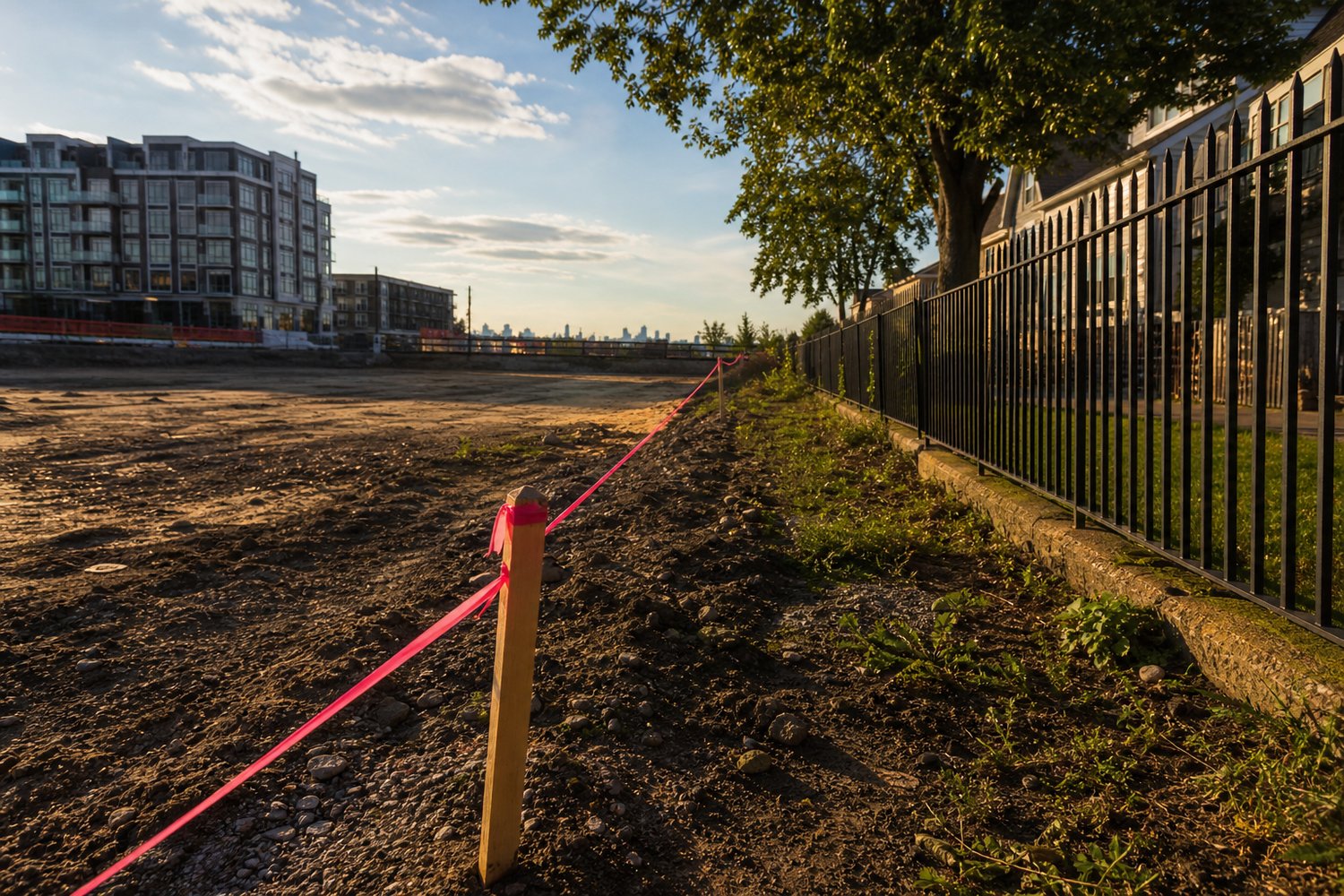
What should buyers check about Fishtown redevelopment before making an offer?
Confirm the status of every nearby project on paper before you offer: concept, zoning application, approved zoning, or issued building permit. Fishtown redevelopment looks different from block to block, so what's true for one home says little about a home two streets over. Then weigh what a finished building would do to the house itself, not just the surroundings.
Key Takeaways
- A rendering, a broker's description, or a neighborhood conversation is not confirmation that a project will be built; the city's zoning and permit records are.
- Philadelphia separates zoning permits (land use) from construction permits (physical work), so approval of one does not mean the other has been issued.
- The city's New Kensington/Fishtown redevelopment-area material points to rezonings in 2014 and 2015, so check the zoning on the lot next door instead of assuming its current use will last.
- The Bright MLS October 2026 report described slowing housing-market momentum as November began and does not break out Fishtown, so the comparable sales for your specific block matter more than regional headlines.
- Visit at a weekday morning, a weekday evening, and a weekend before you write the offer, because traffic, noise, and parking can look very different at each.
How do you tell if a nearby Fishtown project is proposed, approved, or under construction?
Sort every project into one of four stages, then confirm the stage with a city or neighborhood record rather than a conversation. In our experience, most of the confusion buyers feel about Fishtown redevelopment comes from treating a proposal as if it were a permit.
| Stage | What it means | Where to look |
|---|---|---|
| 1. Concept, announcement, or community discussion | An idea or presentation. Nothing is approved. | Neighborhood meeting notices, developer outreach |
| 2. Zoning application or zoning hearing | A formal request is in front of the city or being discussed publicly. | Fishtown Neighbors Association zoning notices, city zoning records |
| 3. Approved zoning or issued zoning permit | The land-use question has been answered. Physical work is a separate step. | City zoning permit information |
| 4. Issued building permit, active construction, or completed occupancy | The work is authorized, underway, or finished. | City construction permit records, a walk down the block |
Why start with the block and parcel instead of the neighborhood name?
Because conditions near the Delaware River, Frankford Avenue, Girard Avenue, the I-95 corridor, and the Lower Kensington edge can differ substantially. Identify the home's adjoining lots, the nearest vacant or underused parcels, and any parcels with commercial or industrial zoning. Those are the lots most likely to matter to your day-to-day.
Which records should you read together?
Use the city's permit information and the neighborhood's zoning notices side by side. Philadelphia's Department of Licenses and Inspections explains zoning permits and approvals, and the key distinction is that zoning addresses land use while construction permits govern the physical work. An application, an approval, an issued permit, and a finished building are four different things.
The Fishtown Neighbors Association zoning page publishes notices and meeting information. Those notices may include a Zoom link, a Notice of Refusal, and zoning plans or renderings when available, which makes them a useful early signal for proposals that haven't become active construction. If you see a Notice of Refusal tied to a nearby address, ask us or the city what it means for that particular project before you assume anything.
Can you assume the lot next door will keep its current use?
No. The city's New Kensington/Fishtown Redevelopment Area Plan identifies rezonings in 2014 and 2015 as part of the neighborhood's redevelopment context. Check the present zoning of the parcel you're buying and of the parcels around it. A vacant lot or an older commercial building next door may be allowed to become something different from what's there now.
How could Fishtown redevelopment change daily life at the home you're buying?
It can change it in two separate phases: the construction period first, then the finished building. Evaluate both, because a project that improves a block over the long run can still be disruptive for the first stretch of your ownership.
What should you look at on the building itself?
For a rowhouse or narrow urban lot, the details that tend to matter most are physical ones:
- Side and rear setbacks
- Building height compared with your roofline
- Roof decks, balconies, and windows facing your home
- Loading areas, trash storage, and curb cuts
- Changes to sunlight and sightlines
When zoning plans or renderings are available, read the plans, not just the pictures. A rendering is a marketing image. The plan sheets show where the walls, windows, and decks sit.
Construction effects versus completed-project effects
During construction, expect the possibility of noise, dust, truck traffic, sidewalk closures, and parking pressure. After completion, a mixed-use project may add commercial space and housing nearby. Whether a particular restaurant, shop, or service actually opens, and when, is not something a rendering guarantees, so treat new amenities as possibilities, not features of the home.
When should you visit the block?
Go more than once. A weekday morning, a weekday evening, and a weekend can reveal different traffic, noise, deliveries, nightlife, parking, and pedestrian activity. This matters most where a proposed project would add commercial or residential activity. Bring someone who didn't fall in love with the kitchen, and ask them what they noticed outside.
What should you ask for before and with your offer?
Ask for property-specific documents instead of generalized neighborhood claims, and let comparable sales, not a development headline, set your number. Here's what we ask for on Philadelphia purchases:
- The property's survey
- Listing disclosures and any amendments, where applicable
- Permit records for the subject property
- Recent comparable sales
- Any written information about adjacent development that has been given to the parties
How much should regional market news shape your offer?
Less than you'd think. The Bright MLS October 2026 housing market report described a slowdown in momentum as November began, but regional reporting isn't a substitute for block-level data, and we won't hand you a Fishtown-wide price or days-on-market number that doesn't reflect your street. A real valuation grounded in local comps will tell you more about a specific home than any automated estimate or any rumor about what's coming next door.
Can you make an offer contingent on reviewing nearby development plans?
You can ask for one, and it's negotiable, so the seller may accept, counter, or decline. How a review period is worded matters, so have your real estate attorney read the exact contract language before you submit. Tara is licensed in Pennsylvania as well as New Jersey, and Donna's staging and interior design background helps us judge how a home will actually live, inside and out. Between us, we look at the paperwork and the property.
Every situation is different, and the only way to know how a specific project affects a specific home is to look at both together. That's the conversation we have with buyers before they write an offer.
If you'd like to hear what past clients say about working with us, you can read Tara's reviews on Google, Zillow, and Realtor.com.
FAQ
How can I tell whether a Fishtown development is approved, proposed, or already under construction?
Match the project to one of four stages: concept, zoning application or hearing, approved zoning or issued zoning permit, or issued building permit and active construction. Use the city's permit information and the Fishtown Neighbors Association zoning notices together, because a notice can show a proposal before it has a permit. Don't treat a rendering or a listing description as confirmation.
Where can I check zoning and construction permits near a Fishtown property?
Start with the city's zoning permit and approval information, which separates land-use questions from construction work. Pair it with the neighborhood association's zoning notices for proposals that haven't reached the permit stage. We'll help you pull records for the specific address you're considering.
Will a new apartment or mixed-use project block my light or change my privacy?
It can, but it depends on the specific plans and your home's position. Compare the proposed height, setbacks, windows, balconies, and roof decks in the plan sheets against your home's windows and roofline. If plans aren't available yet, treat the question as unresolved and price that uncertainty into your decision.
Are Fishtown redevelopment plans likely to affect a home's resale value?
Nobody can promise a direction, and the effect varies by block and property. Fishtown redevelopment may bring new housing and commercial space, and it can also bring construction disruption, so we look at recent comparable sales for the specific street and the home's own condition. That's where a local valuation does what a headline can't.
Should I make an offer contingent on reviewing nearby development plans?
You can request it, and it's negotiable, so the seller may accept, counter, or refuse. Have your real estate attorney review how any review period is written in the contract. A contingency is one tool, but documents, comps, and block visits done before the offer often tell you more.
The core point on Fishtown redevelopment is simple to state and harder to do: confirm what's real, judge how it sits against the home, and price the offer on comps. We walk buyers through exactly that, block by block, before they commit. When you're ready, schedule a consultation with us and bring the address you're considering. If you're also selling, you can ask for a free home evaluation through EdenandEstates.com.
Equal Housing Opportunity. Tara Buie is licensed in NJ & PA (New Jersey Real Estate Commission | Pennsylvania State Real Estate Commission). This article is general information, not legal, tax, or financial advice; confirm your own numbers and contract terms with your real estate attorney, tax advisor, or lender. All information deemed reliable but not guaranteed.